Character Over Commodity
Palmer was founded in 1935 as a planned agricultural colony — one of the New Deal's most unusual experiments, transplanting 200 farming families from Minnesota and Wisconsin to Alaska's fertile Matanuska Valley. The colony farms are still here. The agricultural character never left. And that history is exactly what Palmer's luxury buyers are purchasing alongside the mountain views and the acreage. View current Palmer luxury homes for sale, or read on for the four premium markets that make Palmer unlike anywhere else in the state.
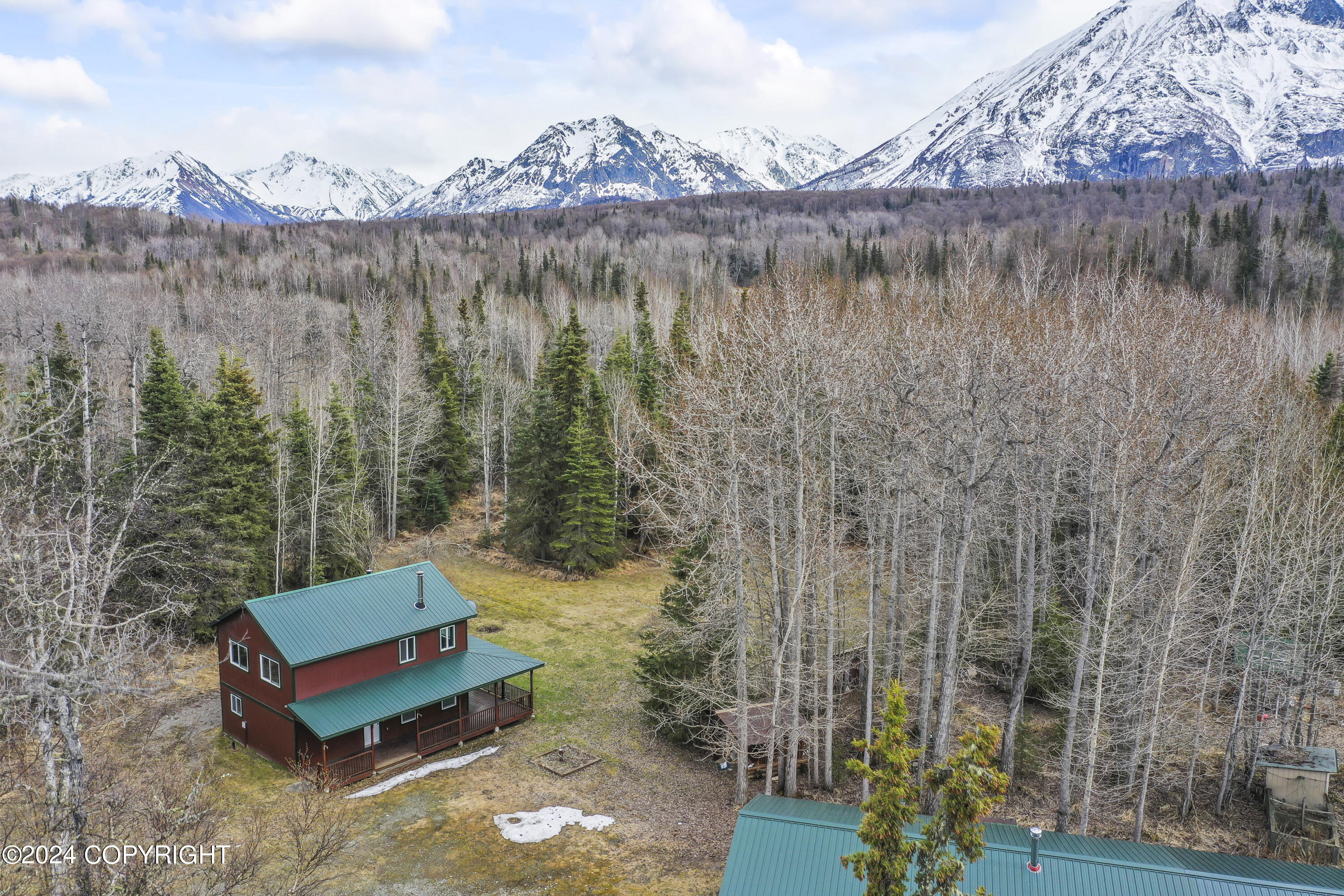
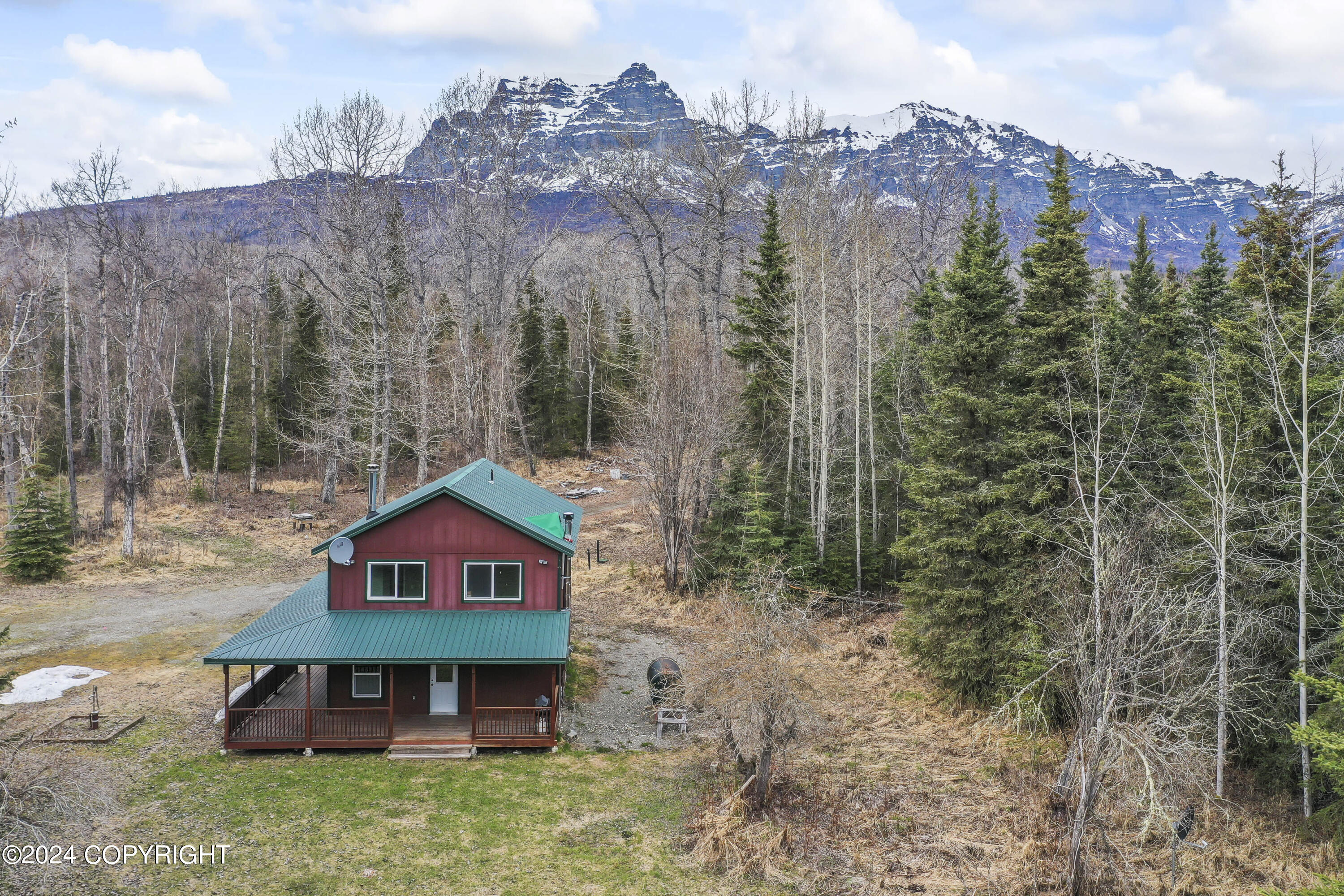
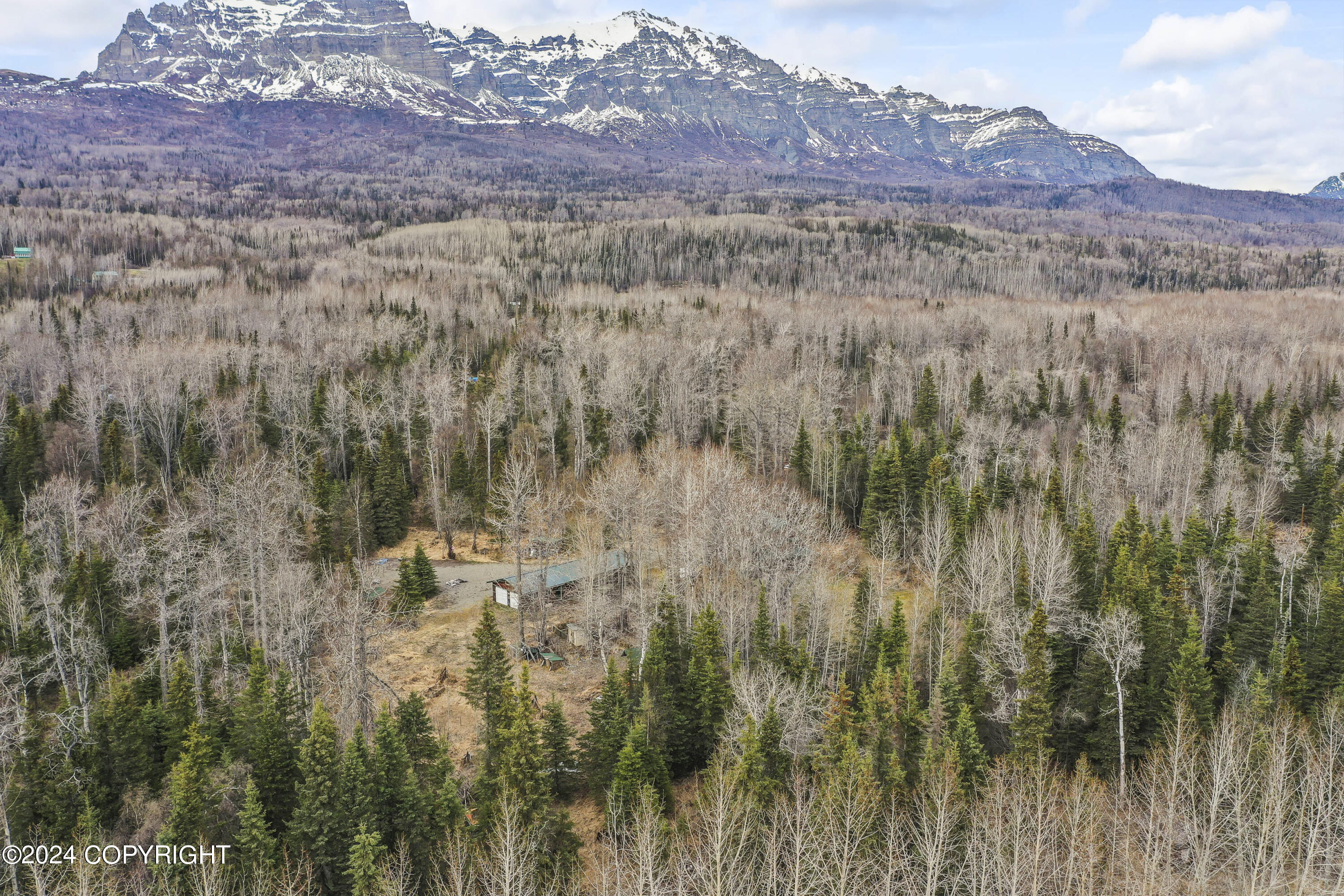
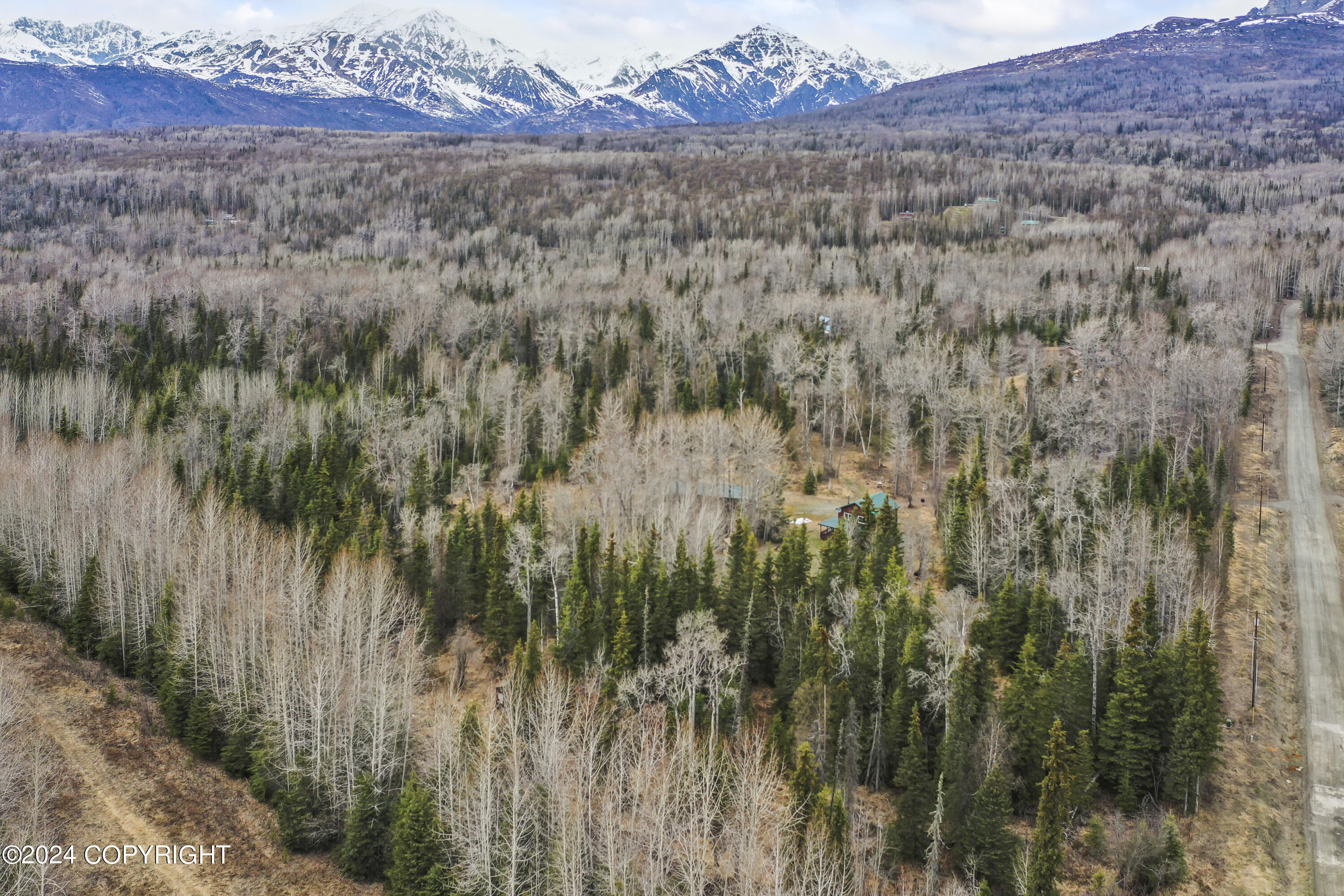
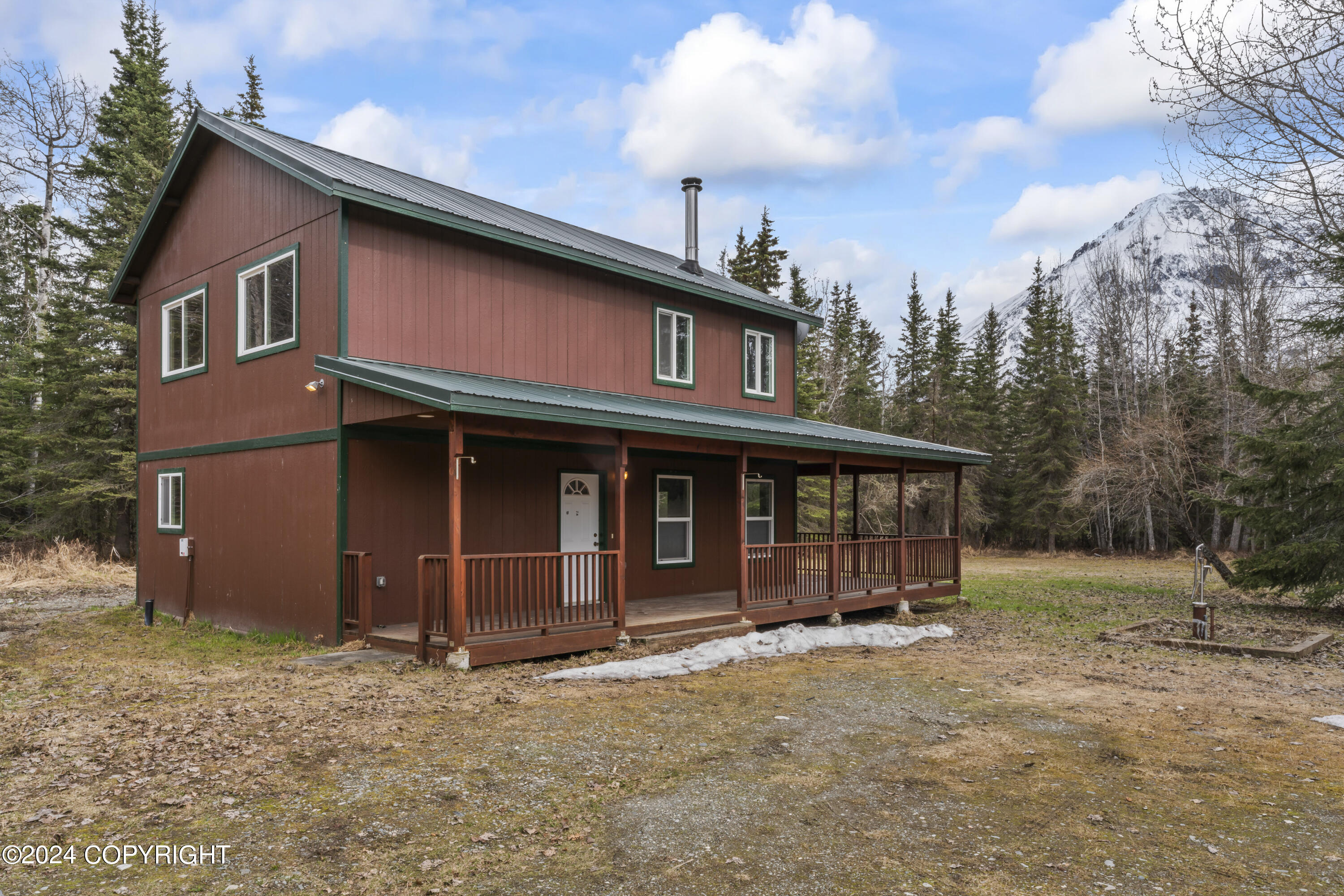
This is not a market for buyers who want the Valley equivalent of an Anchorage executive home. Palmer luxury buyers are a different profile: they want character, history, land, and the feeling that their property is connected to something larger than a subdivision. They want to look up and see Lazy Mountain directly above their property line. They want to be in Hatcher Pass within 30 minutes. At $500K–$900K+, Palmer delivers exactly this — at prices that would make most Anchorage buyers stare in disbelief at what they could be getting for the money.
Browse Palmer Luxury Listings
Palmer's Four Premium Markets
The Butte
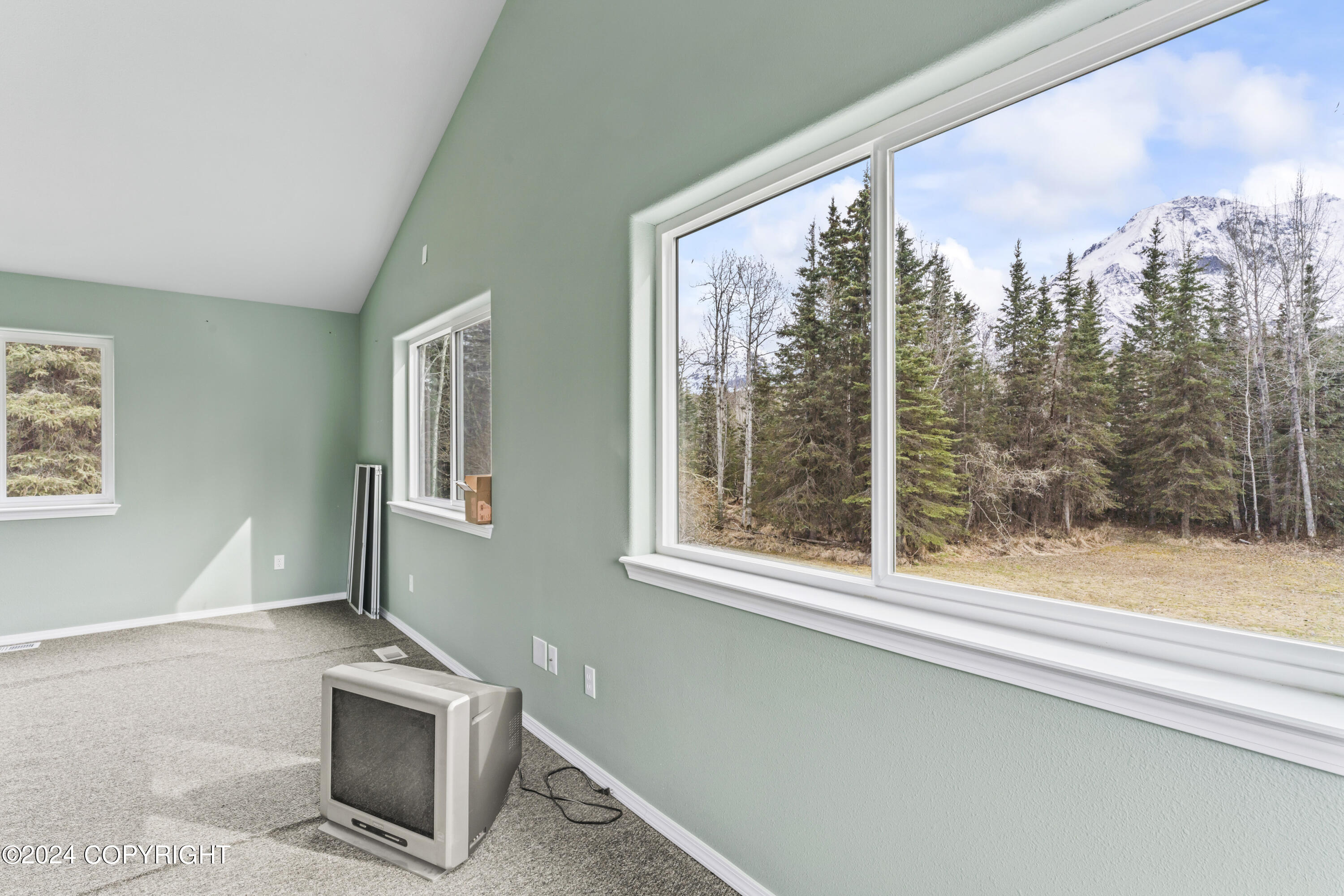
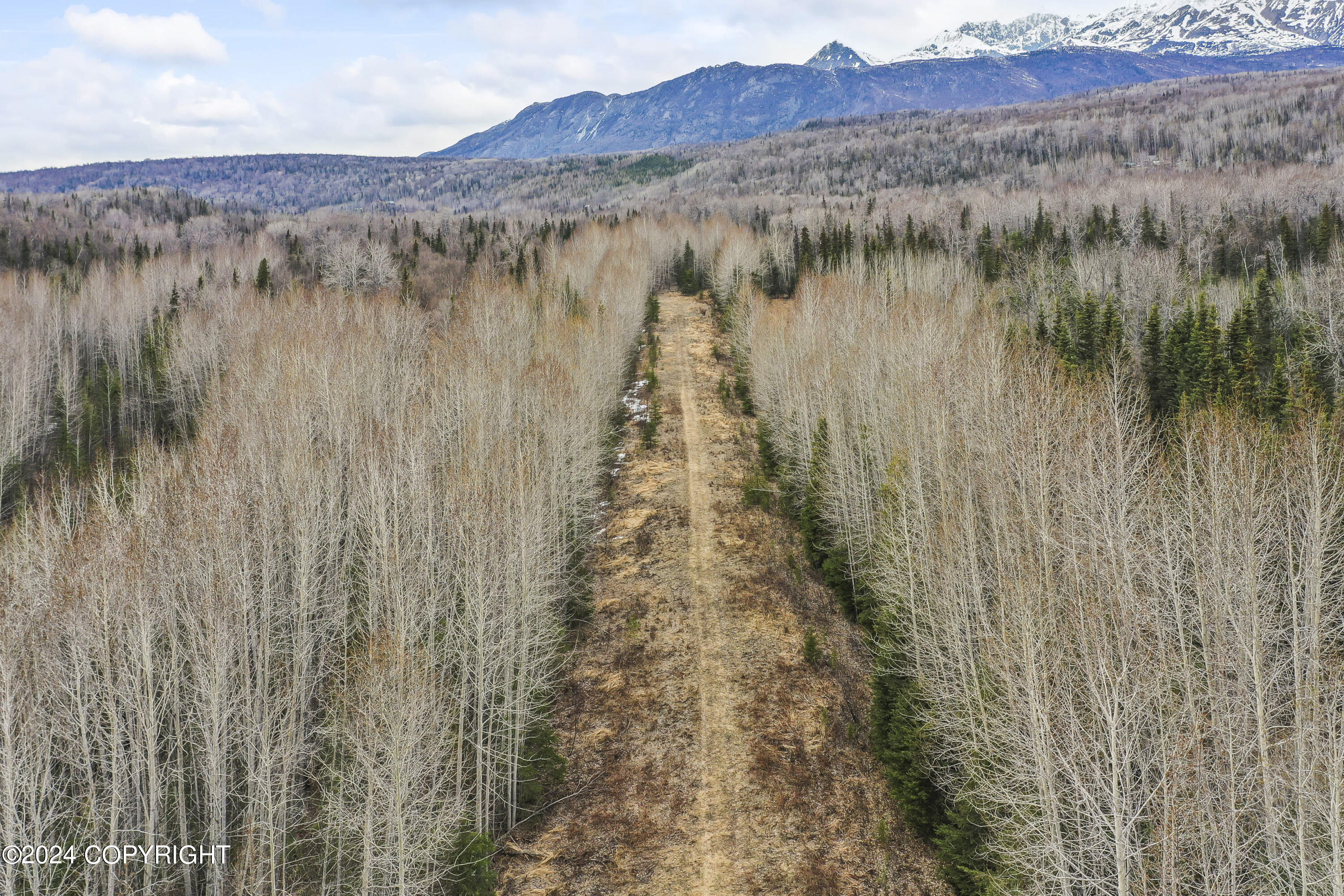
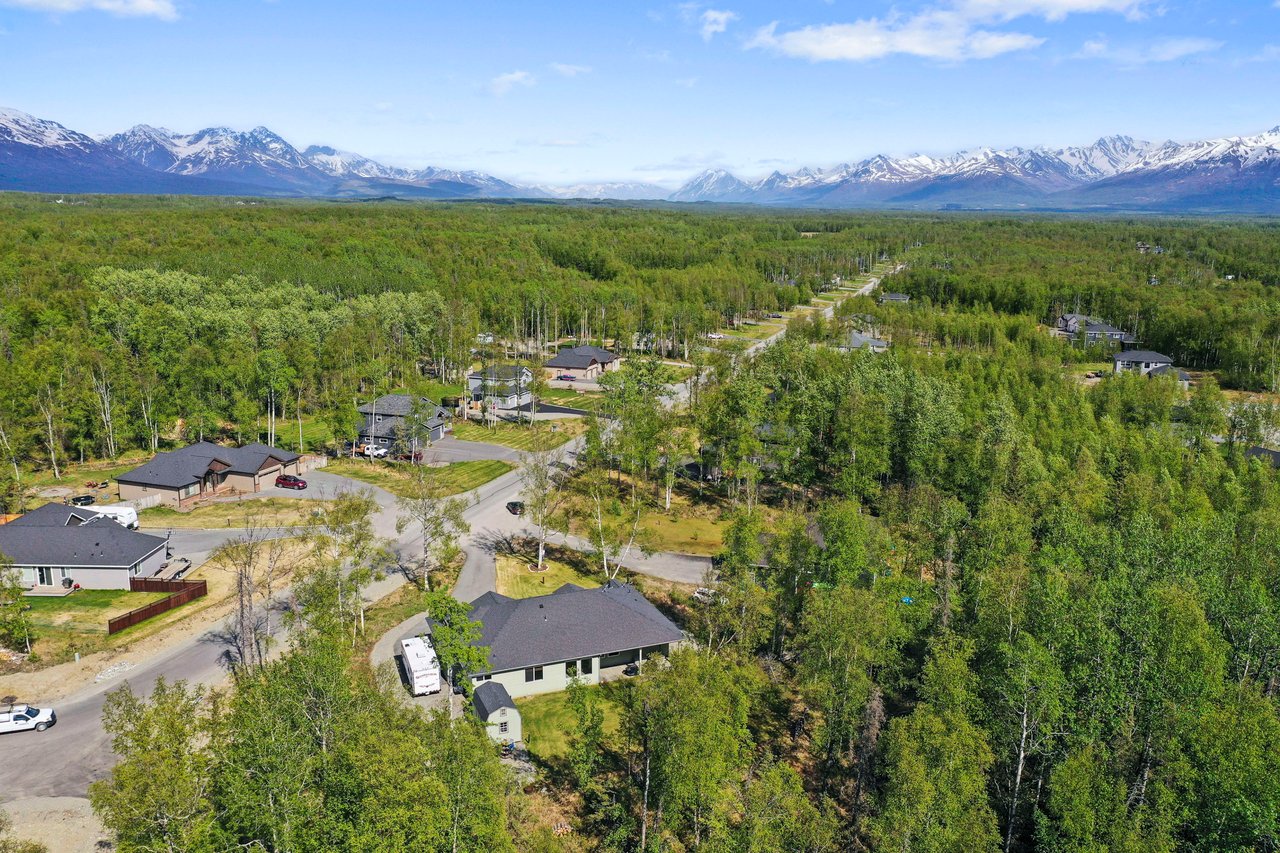
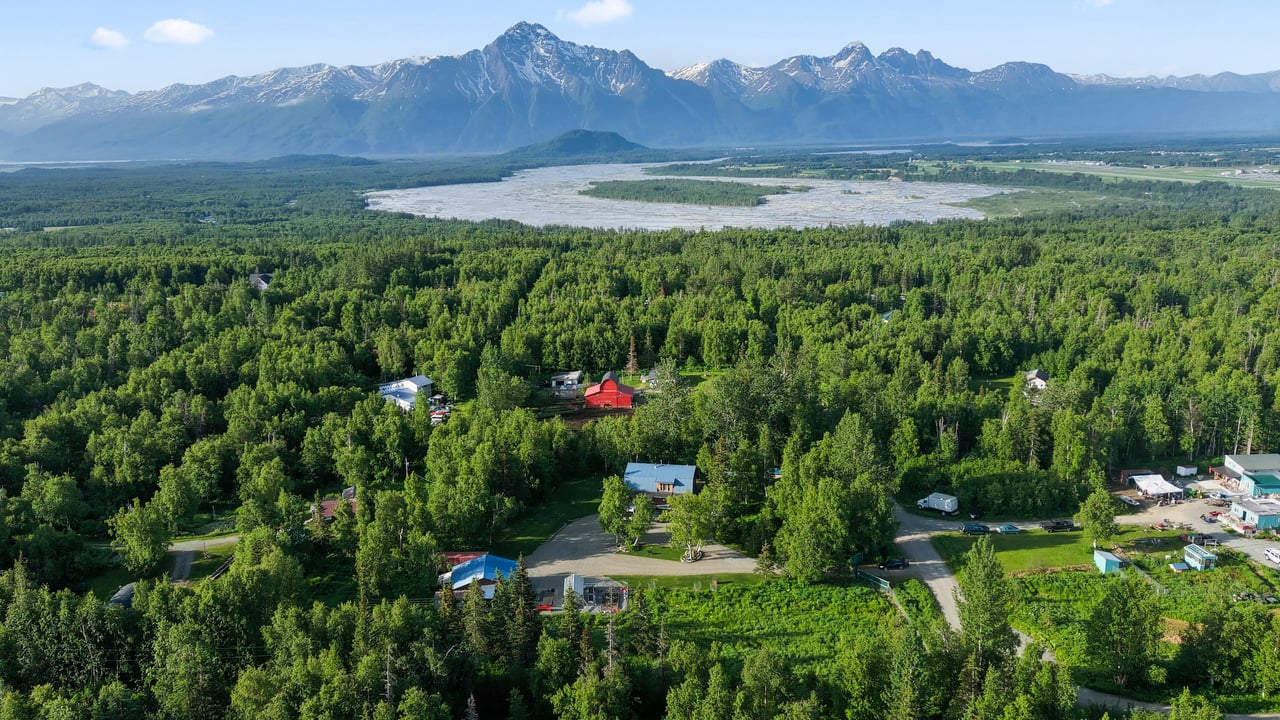
Palmer's most visually dramatic address. Properties on and around Butte Mountain command full Matanuska River valley views, Chugach Mountain sightlines, and on clear days the white mass of Denali on the northern horizon. Lot sizes are substantial — 1 to 5+ acres is common. The address is the product.
$550K – $850K+ · 1–5+ acres
Lazy Mountain
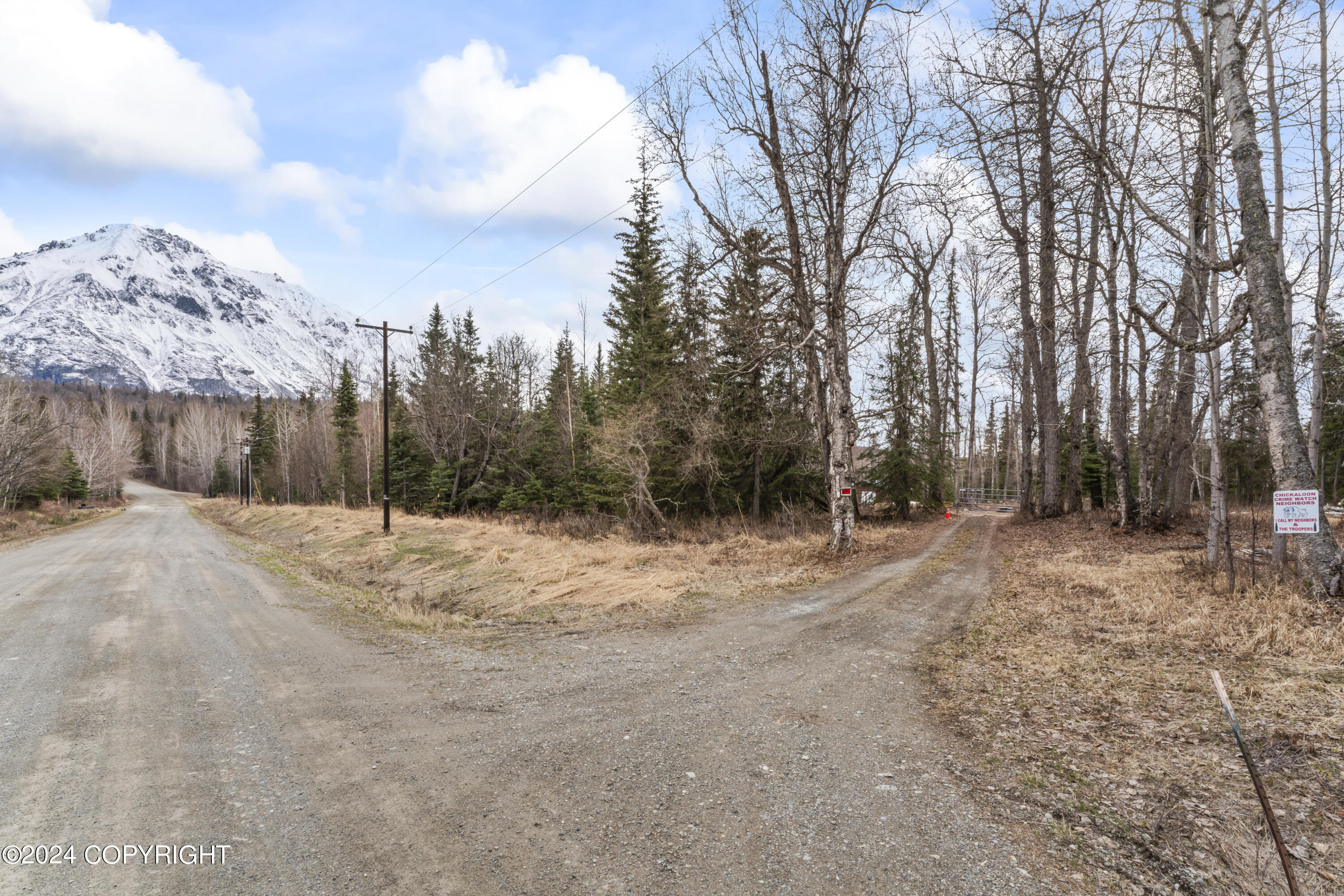
Properties along the lower slopes of Lazy Mountain with the rarest combination in residential real estate: genuine mountain adjacency with trailhead access at the end of the road. The Lazy Mountain summit trail starts at a neighborhood parking lot — residents walk from their homes.
$520K – $780K · 1–3+ acres
Palmer Farm Estates
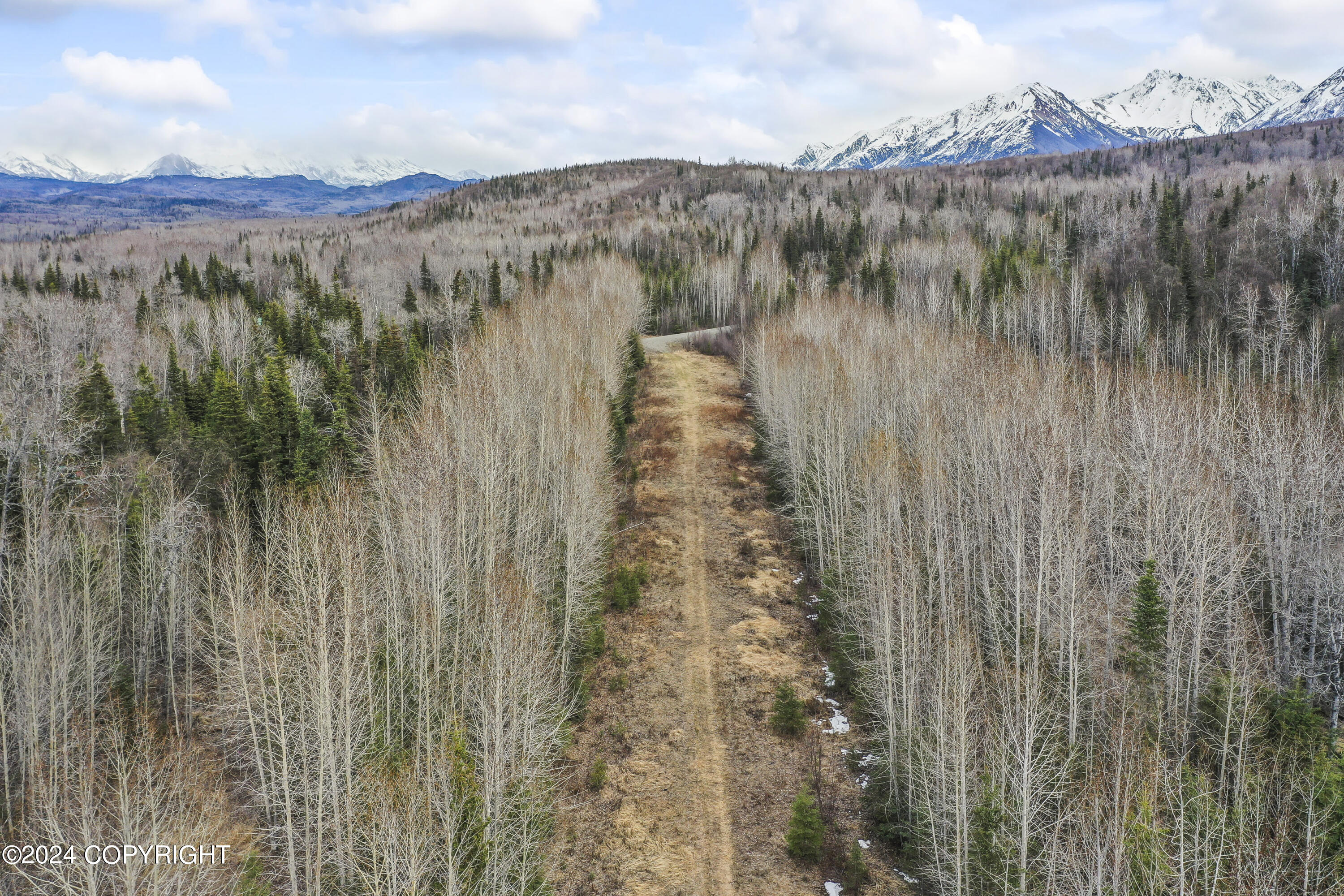
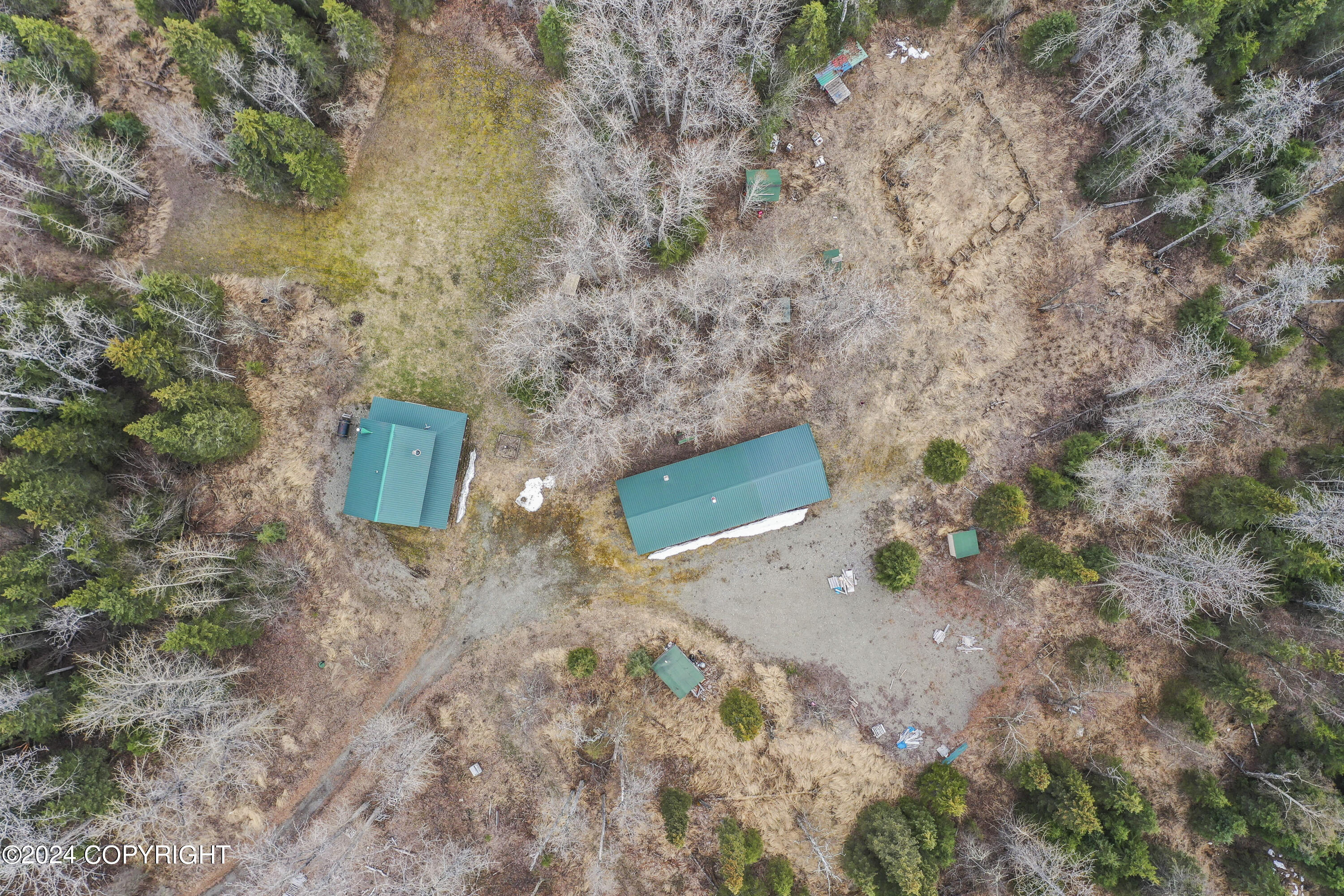
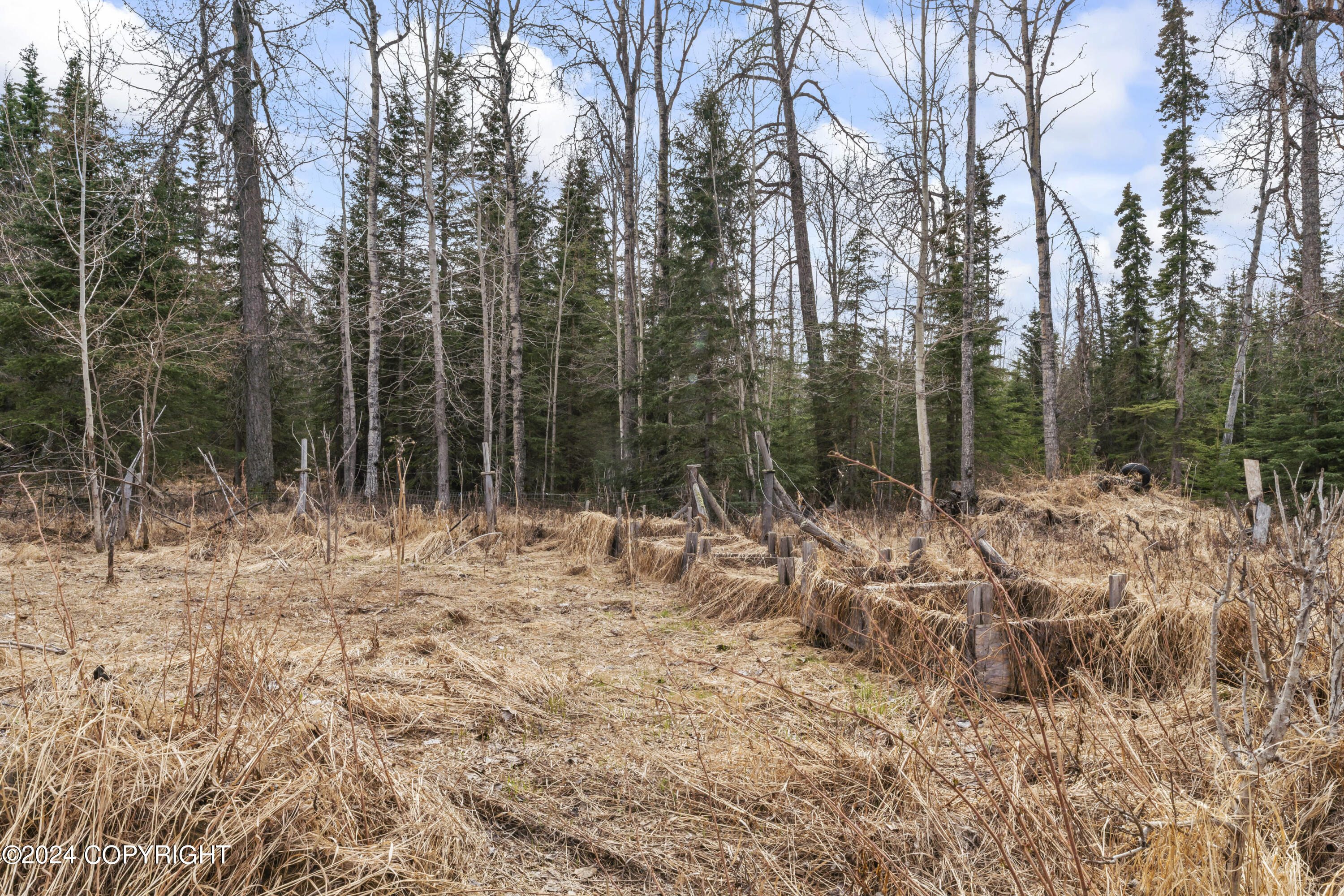
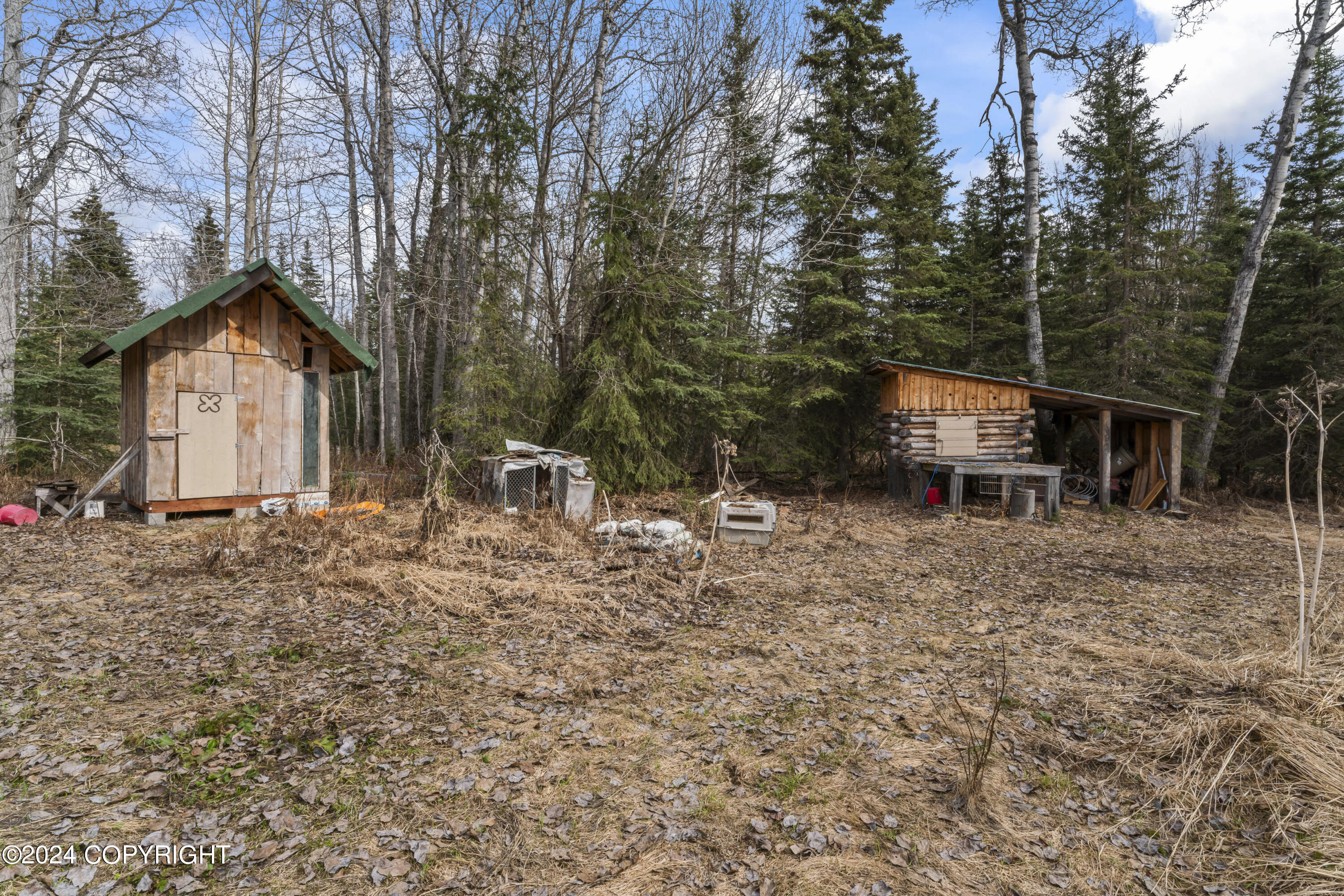
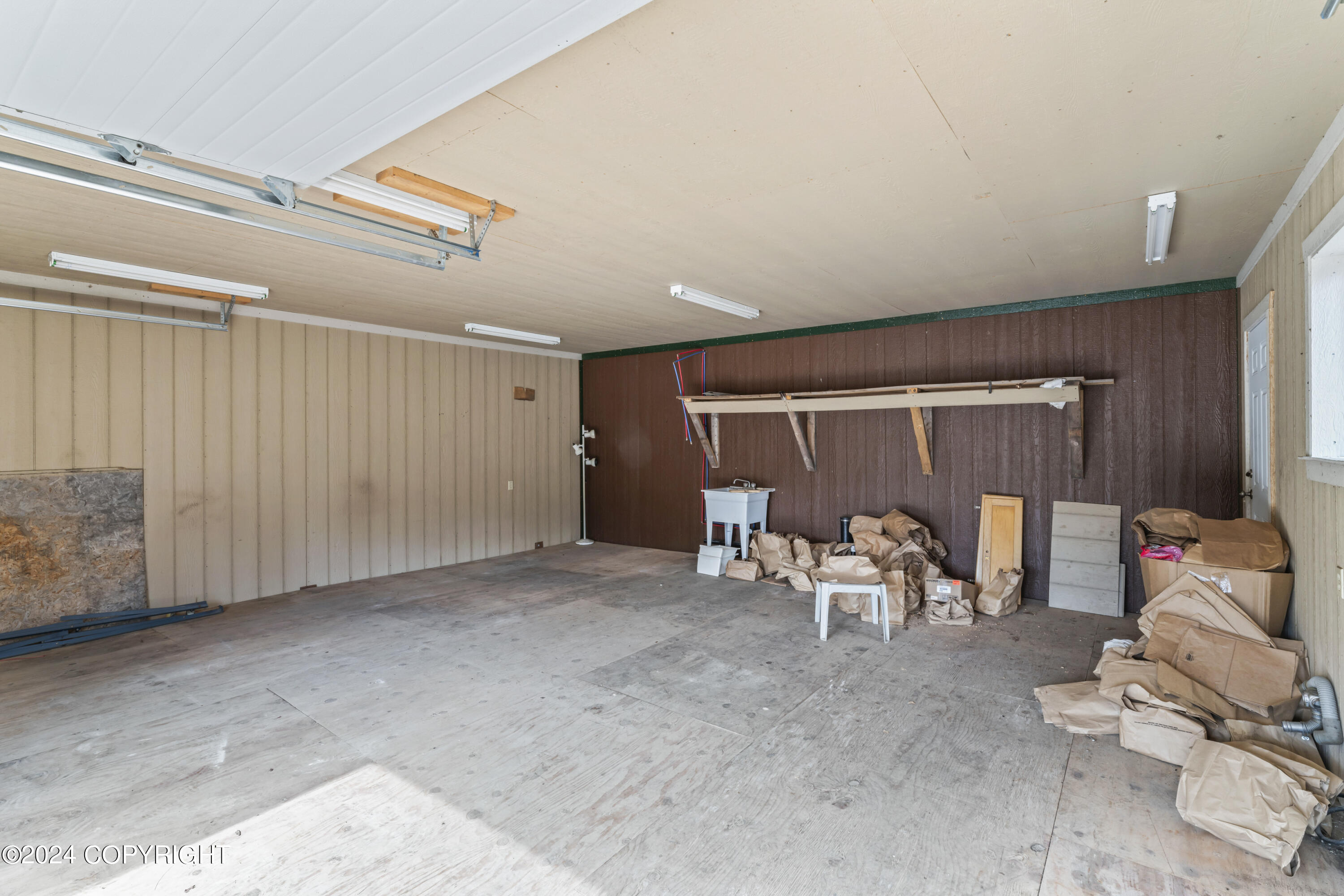
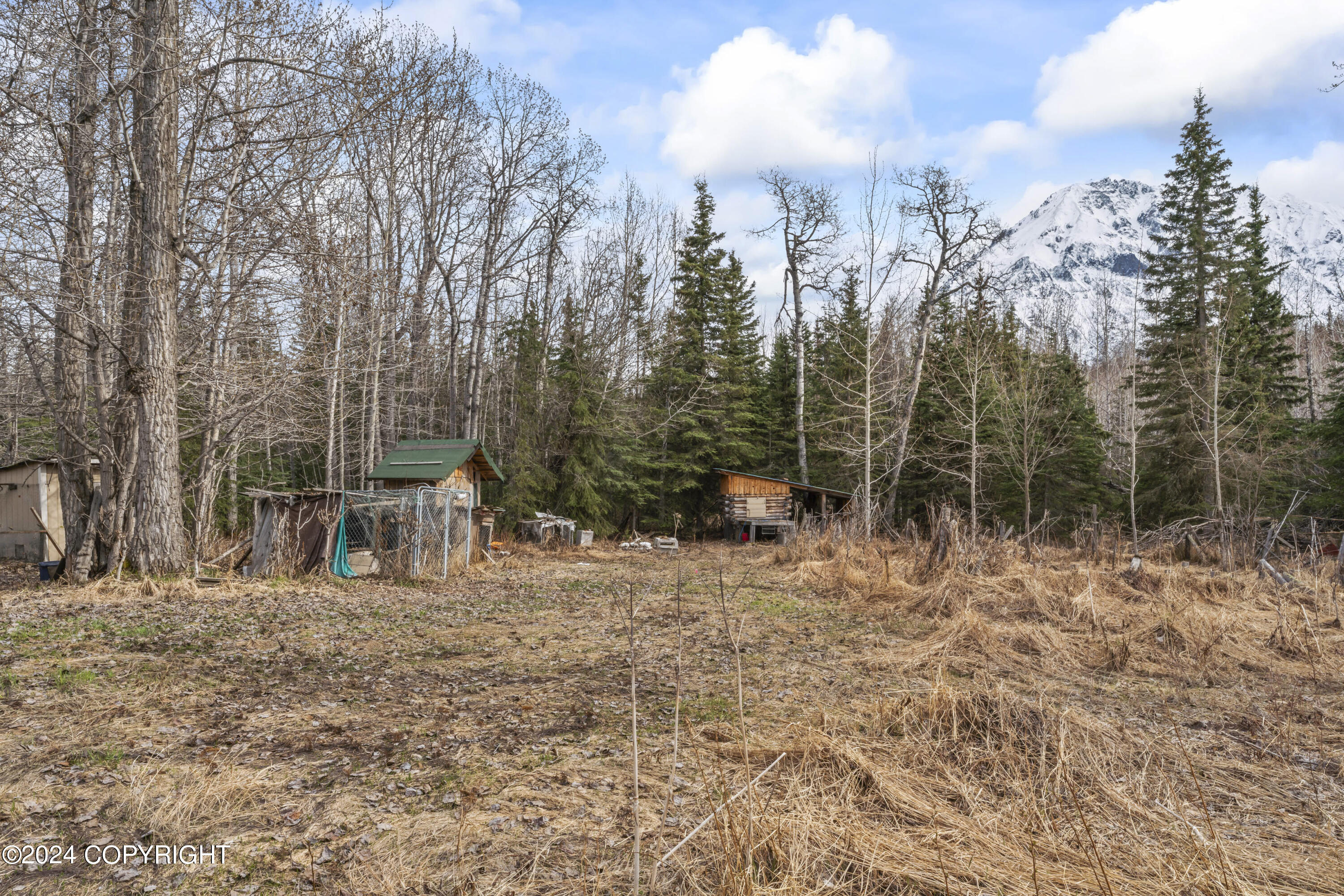
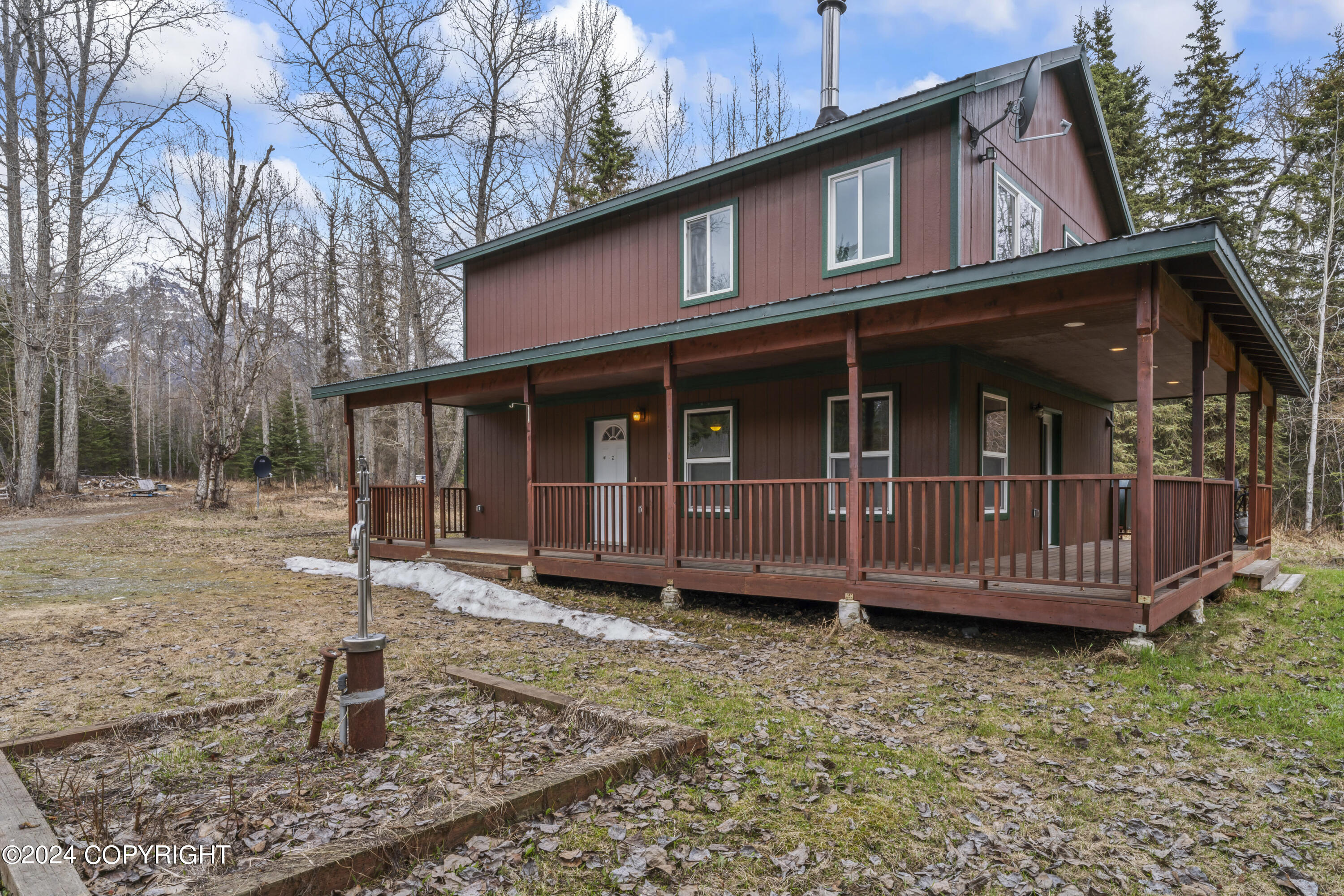
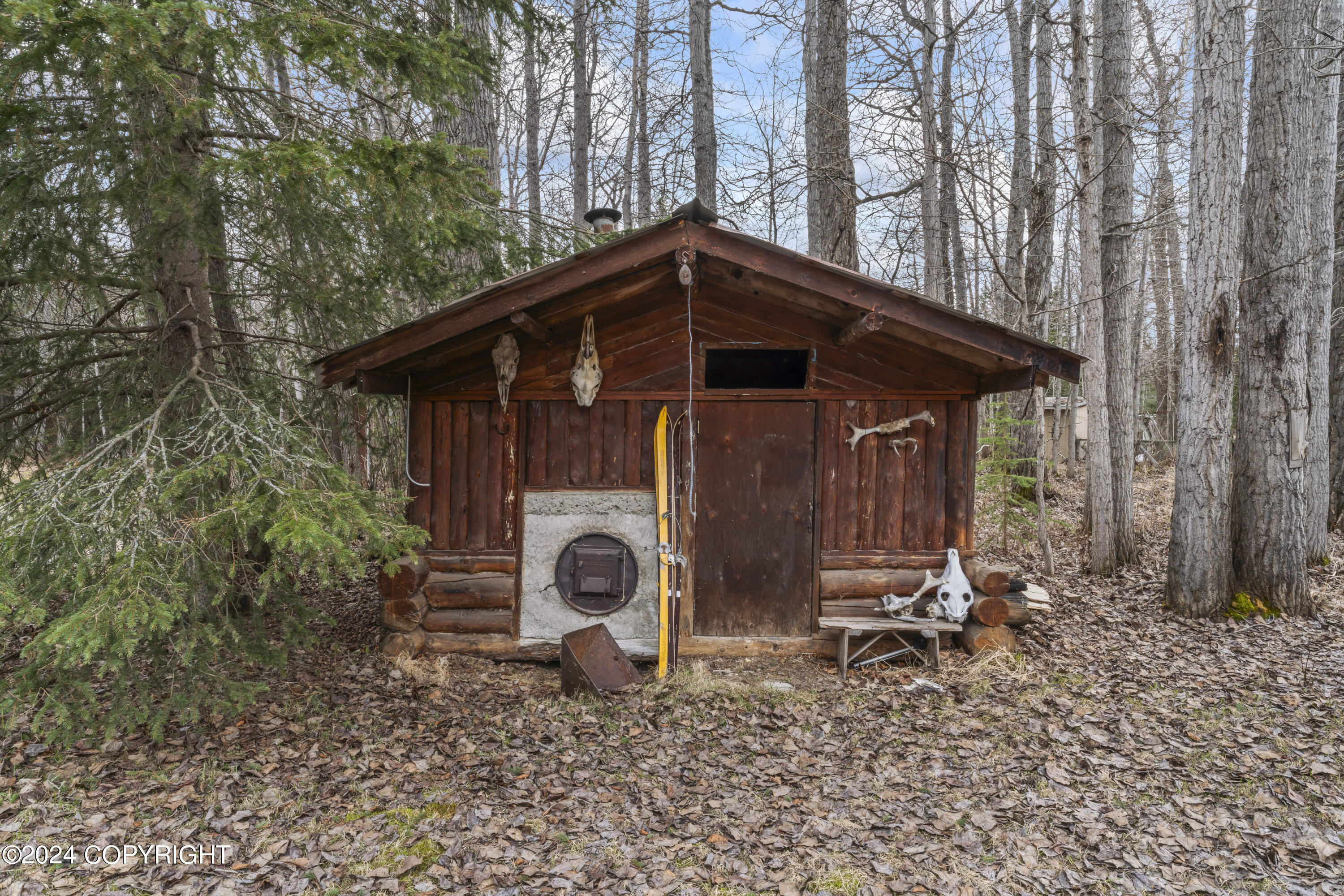
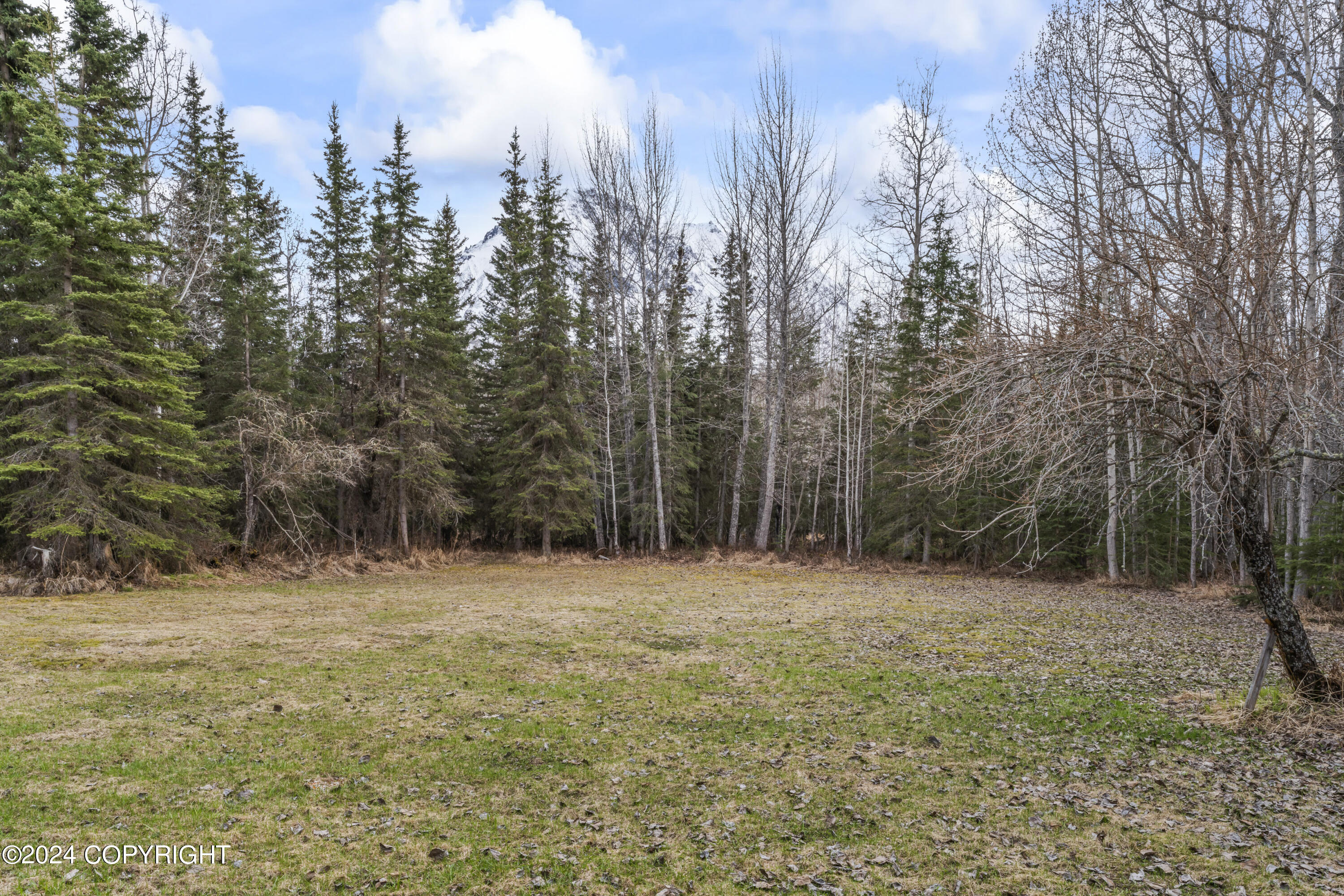
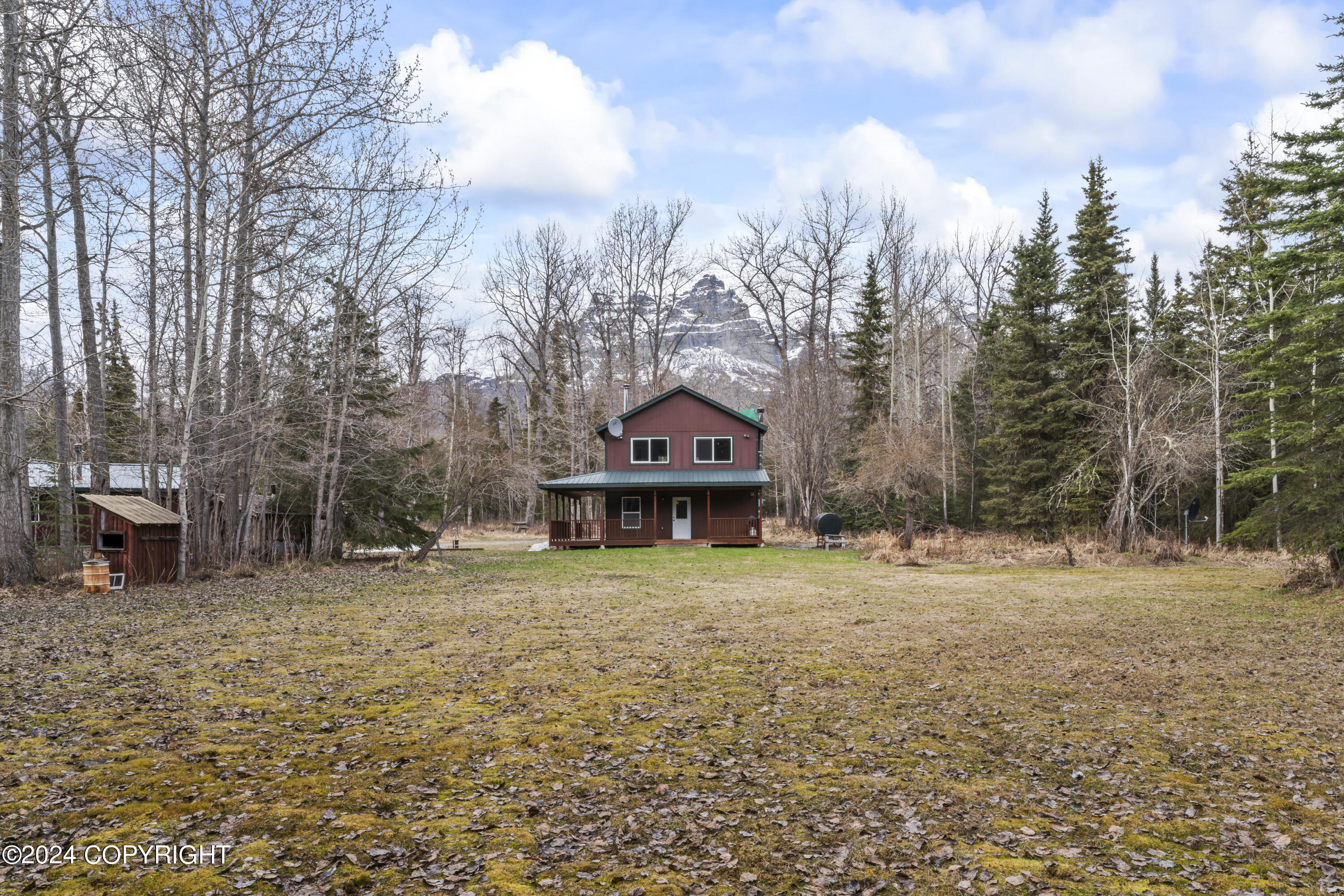
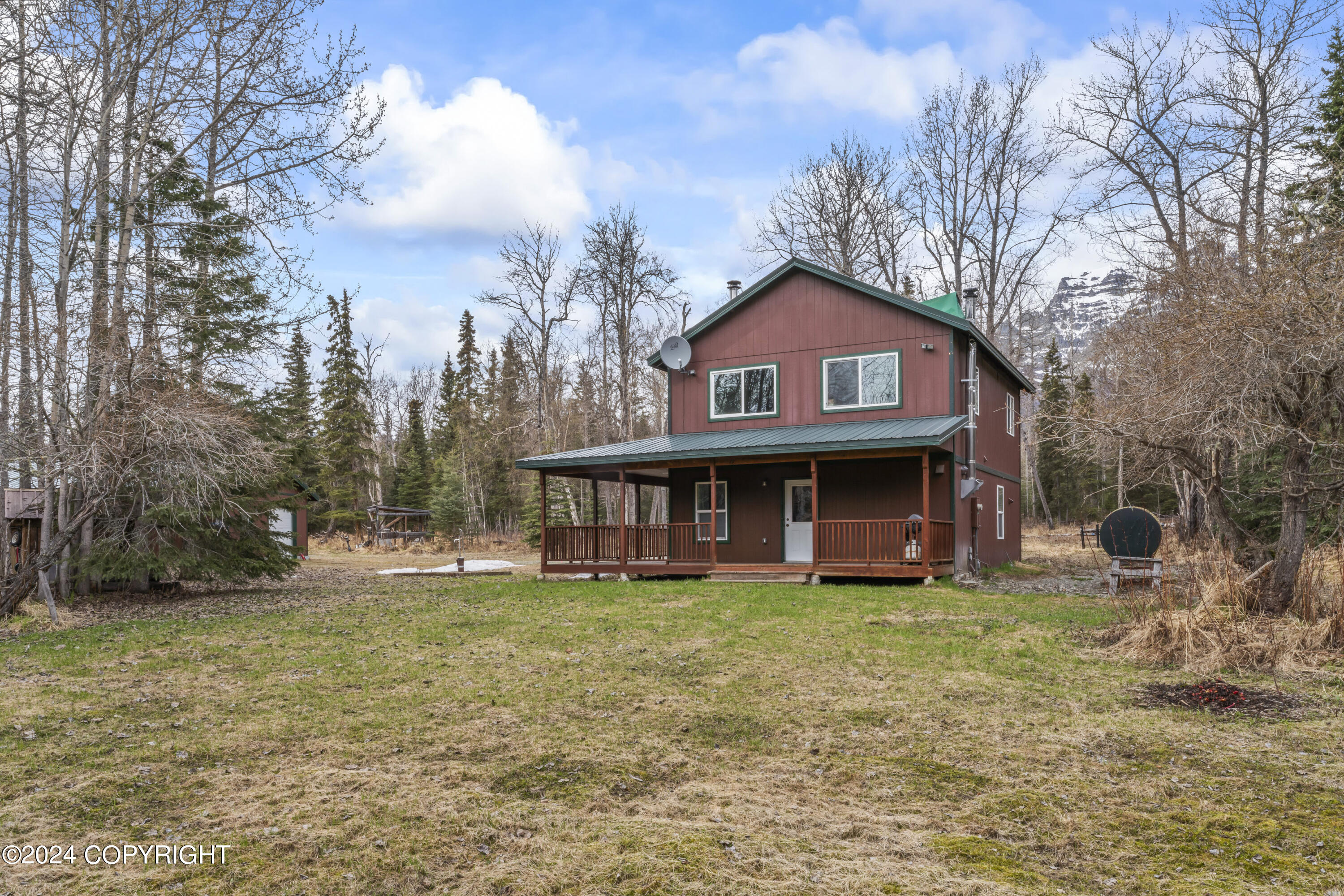
Five to twenty or more acres with the character of Alaska's farming heritage. Some properties include original or restored colony-era structures alongside modern homes. For buyers who want to own a piece of Alaska's history in a high-quality modern home, these are irreplaceable.
$600K – $900K+ · 5–20+ acres
Bodenburg Butte Equestrian
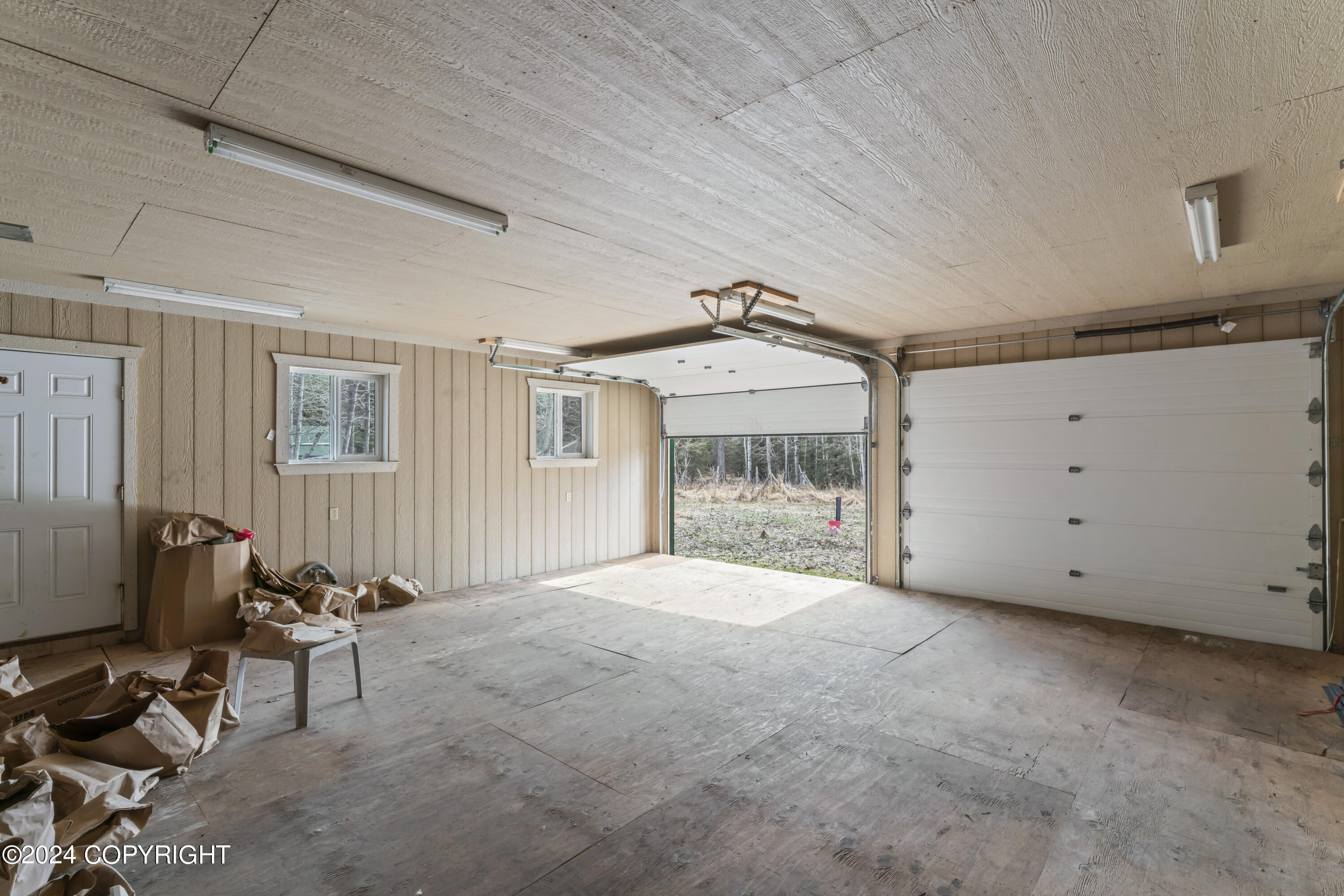
South of Palmer, this corridor attracts buyers with equestrian interests. Five to twenty acres with room for horses, outbuildings, and pastoral character. Bodenburg Butte itself is an iconic Valley landmark — its distinctive solitary profile is visible from half the Valley.
$480K – $750K · 5–20+ acres
What Palmer Offers That Nowhere Else Can Match
Hatcher Pass in the backyard. No other place in the Valley has this. Hatcher Pass — the alpine corridor above Palmer — is world-class Alaska recreation within 30 minutes: Independence Mine State Historical Park (gold rush era, well-preserved), winter skiing at Hatcher Pass Lodge, summer wildflower meadows, blueberry picking, and photography that rivals anything in the state. For buyers who came to Alaska for this, Palmer is the choice by a wide margin.
Lazy Mountain: hiking from home. The summit trail starts at a neighborhood trailhead on Lazy Mountain Road. Palmer residents along the lower slopes walk from their homes to a peak. The views from the Lazy Mountain summit — the entire Matanuska Valley, the Alaska Range, Denali in the distance — are a reward some Palmer residents access multiple times per week.
Agricultural character that has a history. The 1935 Matanuska Colony was one of the most ambitious social experiments in Alaska's history. The colony farms, the colony buildings, the agricultural tradition — still alive in Palmer in a way that gives the community an identity no developer can manufacture.
A real town, not a suburb. Palmer has a downtown, a community that predates the road, and the Alaska State Fair — the largest in the state — every August. For buyers who want a community with identity and history rather than a subdivision with amenities, Palmer is in a different category from Wasilla.
Growing infrastructure. Mat-Su Regional Medical Center is in Palmer, not Wasilla — giving Palmer a healthcare anchor that affects both lifestyle and values for medical professionals choosing where to live. Palmer is a market in the middle of a value re-rating. Buyers who understand that it is becoming more accessible are positioning ahead of demand that hasn't fully landed yet.
Frequently Asked Questions
What is the luxury real estate market like in Palmer, Alaska?
Palmer's luxury market ($500K+) is small and deliberate with a distinct character: agricultural heritage, Hatcher Pass access, and Lazy Mountain views. Luxury homes range from $500K to $900K+, with the highest prices in the Butte area and Lazy Mountain corridor. Supply is consistently limited, supporting steady appreciation.
What are the best luxury areas in Palmer, Alaska?
The Butte delivers the most dramatic views in the Valley — Matanuska River valley panoramas and Chugach sightlines from properties on Butte Mountain. Lazy Mountain properties offer direct mountain adjacency and trailhead access within walking distance. Farm estate properties in the agricultural corridors provide acreage and the historic character of the 1935 Matanuska Colony.
How close is Palmer to Hatcher Pass?
Palmer is the gateway to Hatcher Pass — Independence Mine State Historical Park and the alpine recreation area are approximately 25–35 minutes from Palmer via Hatcher Pass Road. World-class winter skiing, summer hiking, wildflower meadows, and gold rush historical sites are all within a reasonable drive.
What is the Butte area in Palmer, Alaska?
The Butte is a community northeast of Palmer proper, on and around Butte Mountain. Properties here command exceptional Matanuska River valley views and Chugach Mountain sightlines. The Butte has become one of the more sought-after luxury addresses in the Valley, with acreage lots at prices well below comparable Anchorage properties.
How does Palmer luxury compare to Wasilla luxury real estate?
Palmer and Wasilla are 11 miles apart but feel like different places. Wasilla's luxury market is anchored by The Ranch — community structure, HOA standards, suburban convenience. Palmer's market is defined by character — Hatcher Pass, Lazy Mountain, agricultural land, small-town identity. The buyer who chooses Palmer is not settling for less infrastructure; they are choosing a different set of priorities.
Palmer Luxury Homes for Sale
Current Palmer luxury listings from the MLS — Butte view homes, Lazy Mountain acreage, and the farm estates that define this market.
Sell Your Palmer Home
Palmer's premium properties rarely have true comps — a Lazy Mountain estate and a Butte view home are different assets, and pricing them off Valley averages leaves money on the table. The Prince Group values Palmer luxury property on its own terms. Request a valuation below or call (907) 312-8141.
Sellers preparing to list can also review the Certified Pre-Owned standard — a pre-listing inspection approach that settles repair questions before a buyer's inspector sets the agenda.